If you use intermittent catheters, you may wonder whether it’s safe to wash and reuse a catheter. It’s a common question, especially for people who might be thinking about supply costs, insurance coverage for catheters, or reducing waste.
In general, intermittent catheters are labeled for single use. This means they’re intended to be used once and thrown away.
Because every person’s needs and products may be different, it’s important to follow the instructions on your catheter packaging.
Why Catheters Are Labeled for Single Use
Typically, most intermittent catheters today are designed to be used one time. This is because, after a catheter is inserted into the body to drain urine, it can leave behind bacteria and other microorganisms on the catheter tube.
One laboratory test using PVC catheters found that a full antibacterial washing method still failed to sanitize 67% of the catheters.
Some studies suggest this may increase the risk of urinary tract infections. During his experience at the Summer Paralympics in London one year, Dr. Andrei Krassioukov found that athletes who used their intermittent catheters once without reusing them had 3 to 4 times fewer UTIs than those who cleaned and reused their catheters.
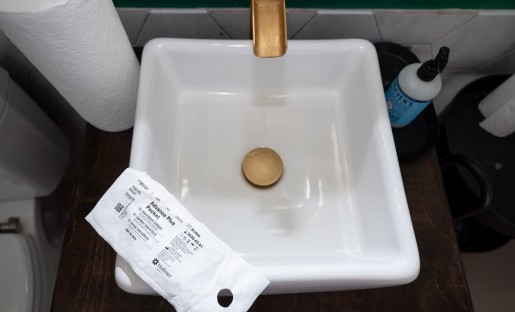
Can You Reuse an Intermittent Catheter?
It’s important to talk to your healthcare provider about what’s right for you. However, as of 2026, there are no intermittent catheters on the market specifically designed as safe reusable options.
If you use hydrophilic catheters, they cannot be reused because their hydrophilic properties are designed for single-use only. Attempting to reuse it, especially without proper lubrication, may increase the risk of a more painful catheterization due to friction in the urethra. This may also raise the risk of recurrent catheter-associated UTIs.
For this reason, it’s important to follow the directions on your catheter packaging. If your package shows the small symbol that looks like a 2 crossed out, it means the catheter is intended for single-use only.

Can Reusing Catheters Increase UTI Risk?
Reusing a catheter labeled for sterile, single use may increase the risk of introducing bacteria into the urinary tract. This may raise the risk of urinary tract infection (UTI).
Possible UTI symptoms may include:
- Cloudy or strong-smelling urine
- Blood in urine
- Chills or fever
- Pelvic or abdominal discomfort
- A more frequent or urgent need to urinate
- New or worsening urinary incontinence (leakage)
If you notice symptoms of a UTI, contact your healthcare provider. Prompt treatment may help prevent the infection from getting worse.
If you’re experiencing recurrent UTIs, talk to your healthcare provider about options that may help.
Can I Reuse My Catheter If I’m Worried About Running Out?
In a pinch, some people may consider reusing their catheters if they’re worried about running out of their supplies.
If that’s your concern, it’s worth talking to your healthcare provider or your catheter supplier to get enough catheters for how often you’re cathing.
In many cases, health insurance covers intermittent catheters. Depending on your plan, your insurance may cover enough for single-use catheterization. For example, Medicare will cover up to 200 intermittent catheters and sterile lubrication packets per month.
Not sure how many catheters are covered on your plan? Wondering whether your insurance covers catheters? Get started by verifying your coverage with 180 Medical. Our specialists can quickly verify your plan’s benefits and let you know how your catheters may be covered.
If you come close to running out each month, be sure to update 180 Medical or talk to your prescribing healthcare provider, since this may indicate your frequency of use is higher than the current prescribed amount.
Can I Get Single-Use Catheters Delivered To My Home?
If you’re concerned about having enough single-use catheters, 180 Medical has been a trusted, leading provider of intermittent catheter supplies in the USA for over 20 years.
Our trained specialists will work with your prescription, insurance benefits, and product preferences to help you find the intermittent catheter that fits your needs.
180 Medical offers free samples, free shipping, helpful educational resources, and access to a Peer Support team of real catheter users who can share their lived experience and offer practical encouragement.
Have questions about your product options? Contact 180 Medical to speak with one of our friendly specialists. We’re ready to help.
Disclaimer: This article is for informational purposes only and is not intended as medical advice. Information provided on 180medical.com should not be used as a substitute for medical advice, diagnosis, or treatment from a qualified healthcare professional. Please consult your healthcare provider with any questions about your condition, treatment, or medical supply needs.
Sources: Kathleen Christison, Walter Matthias, Jean-Jacques J.M. Wyndaele, Michael Kennelly, Thomas M. Kessler, Vanessa K. Noonan, Fallah Nader, and Andrei V. Krassioukov. Journal of Neurotrauma. Apr 2018.
